Paper published with collaborators on eukaryotic metatranscriptomes
9/29/2021
Using assemblies of polyA-selected eukaryotic metatranscriptomes, Ryan Groussman led an exploration of how 48 marine eukaryotic genera regulate their gene expression over the diel cycle in the North Pacific Subtropical Gyre. Groussman finds that each taxonomic group has a relatively distinct transcriptional fingerprint. Yet, the diel cycle is a critical driver of the coordinated activities found across these various taxa. This study comes from the Simons Foundation SCOPE-Aloha Program. Check out the paper.
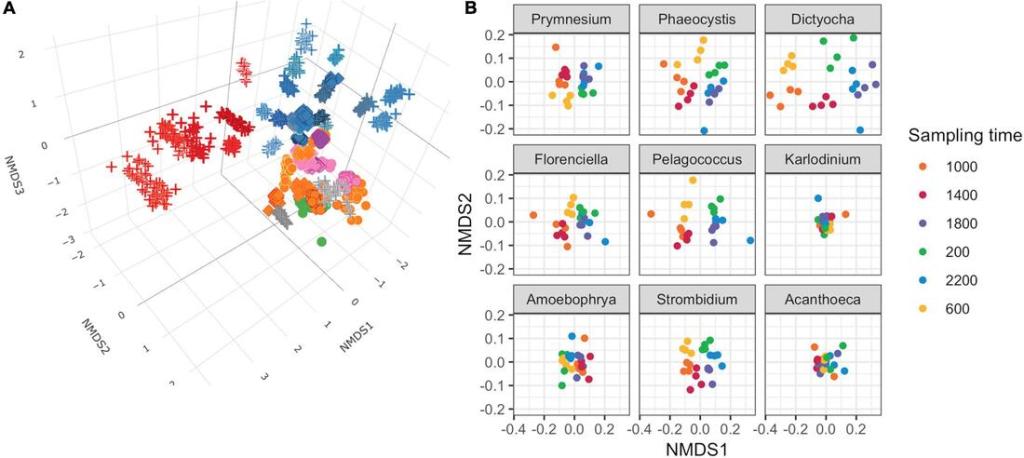
Figure from Groussman et al., showing ordinations of transcript abundances by taxonomic groups (left) and by time with a particular group (right).
Welcome, Laurel!
8/30/2021
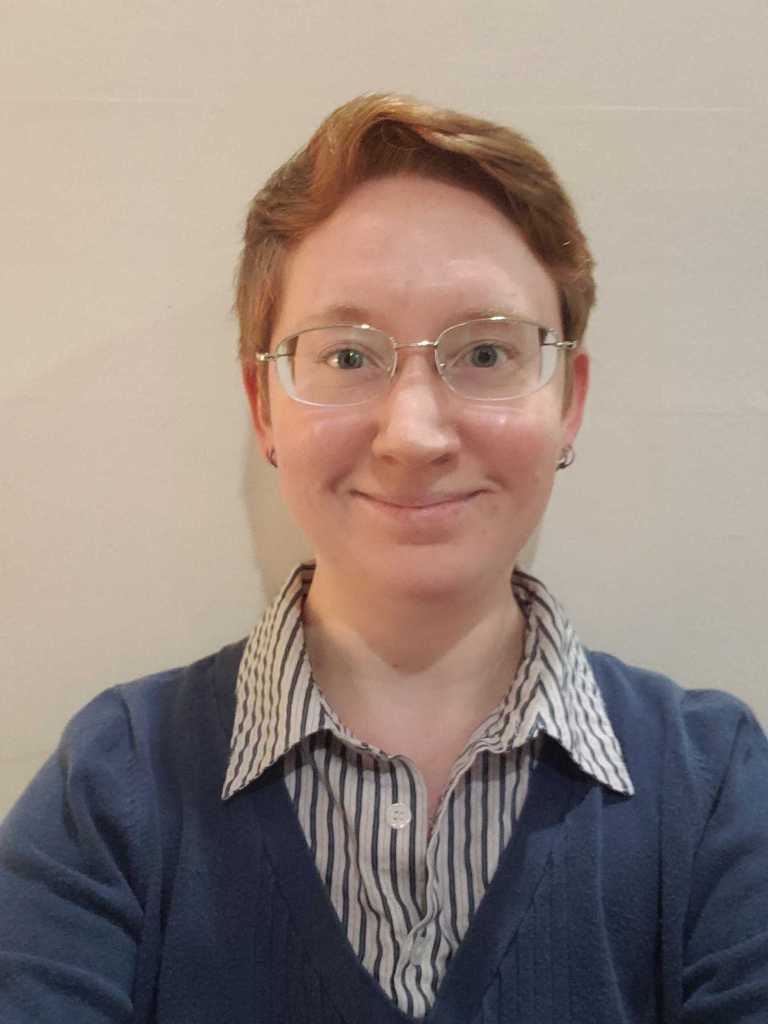
We are thrilled to welcome new graduate student Laurel Meke to our group! Laurel comes to us with much expertise in applications of untargeted and targeted LC-MS. She worked at SECIM (Southeastern Center for Integrated Metabolomics) prior to joining our lab, where she gained a great deal of experience with sample preparation, extractions, and general LC-MS troubleshooting. Now, she will apply and expand her chemistry knowledge to address research questions on marine microbes! Her research interests are to understand how the metabolism of red-tide Karenia brevis is influenced by environmental factors and interactions with other microbes. Welcome, Laurel!
Commentary published on marine microbial interactions
8/24/2021
As part of an early-career researcher series in mSystems, Durham was invited to write a commentary on marine microbial interactions. She outlines current research and future directions to examine microbial cooperation and metabolic exchange in the surface ocean. Check out the paper!
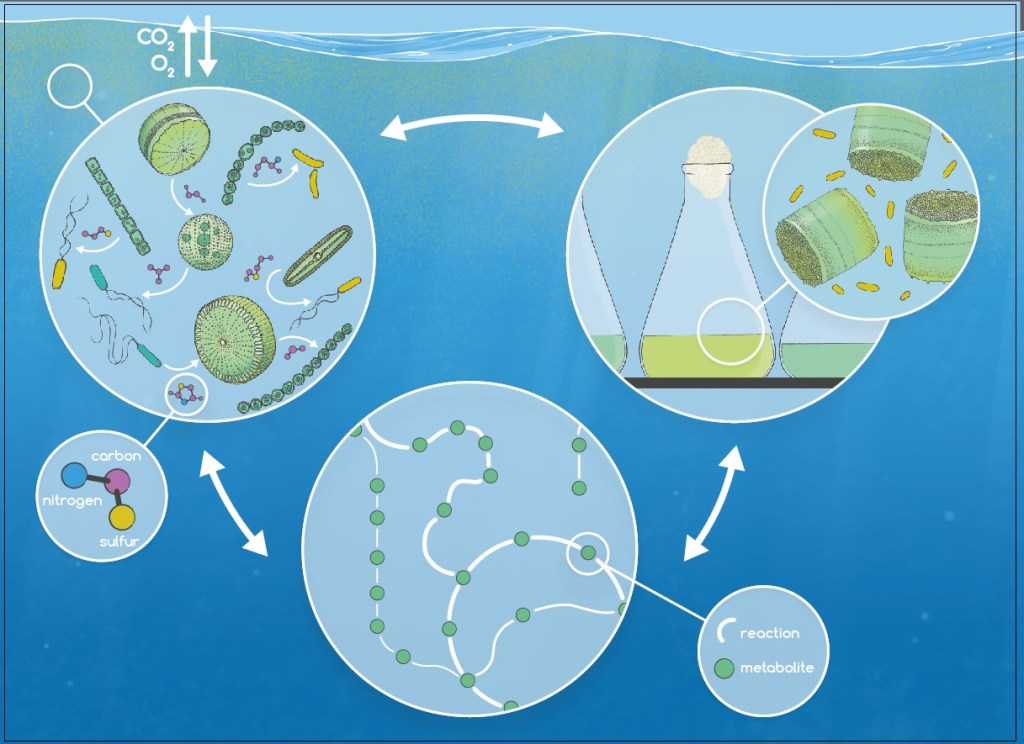
Figure from mSystems commentary. Microbial metabolic networks in the surface ocean are examined through complementary field-based observations (top left), laboratory co-culture systems (top right), and metabolic modeling approaches (bottom center). Figure illustration and design by Joana C. Carvalho.
Welcome Emily!
6/2/2021
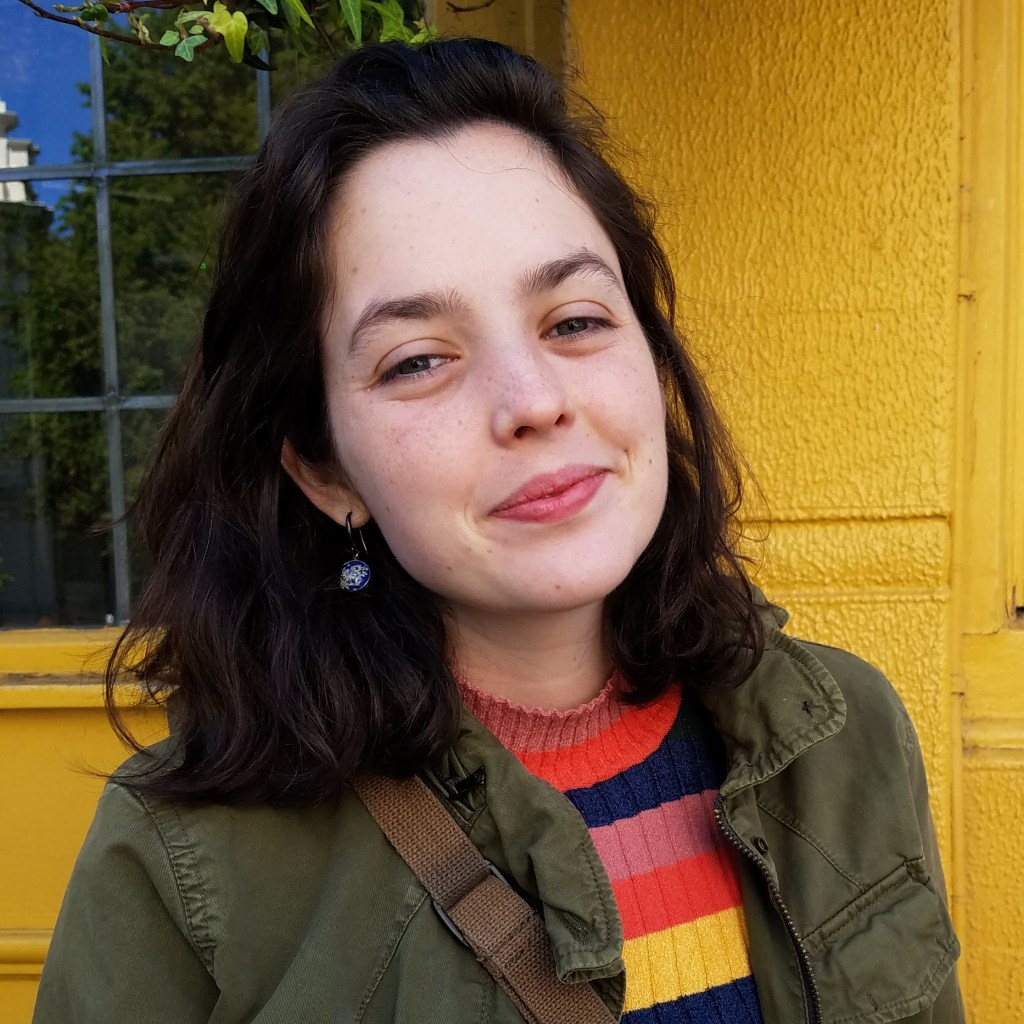
We have a new lab member – Emily Kracht! Emily graduated from UF in Spring 2021 with degrees in Chemistry & Anthropology. During her undergraduate research at the Florida Museum, she used mass spec tools to analyze ceramics from Caribbean regions. We are thrilled for her to apply her MS knowledge and chemistry background to the world of marine metabolites! Welcome!
2X the metabolomics with colleagues
5/4/2021
Two marine metabolomics manuscripts led by UW colleagues Angie Boysen and Katherine Heal were published in mSystems this month! Boysen et al., show diel oscillations in particulate metabolites consistent with day-night photosynthetic and redox cycles. Heal et al., show how changes in phytoplankton taxonomy shape particulate metabolites along a latitudinal gradient in the North Pacific.
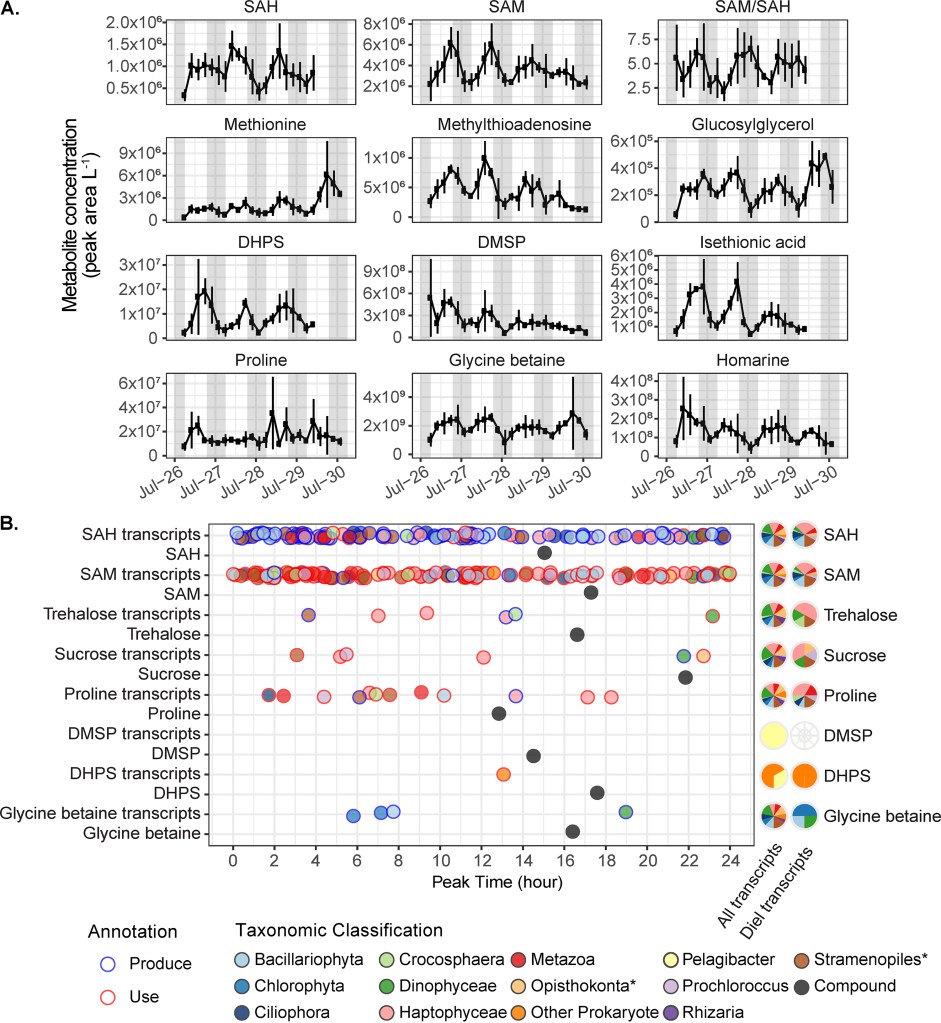
Figure from Boysen et al., showing diel oscillations in metabolite abundance as well corresponding bacterial transcripts associated with their metabolism.
Congrats to Ashley – 2021 University Scholar
5/3/2021
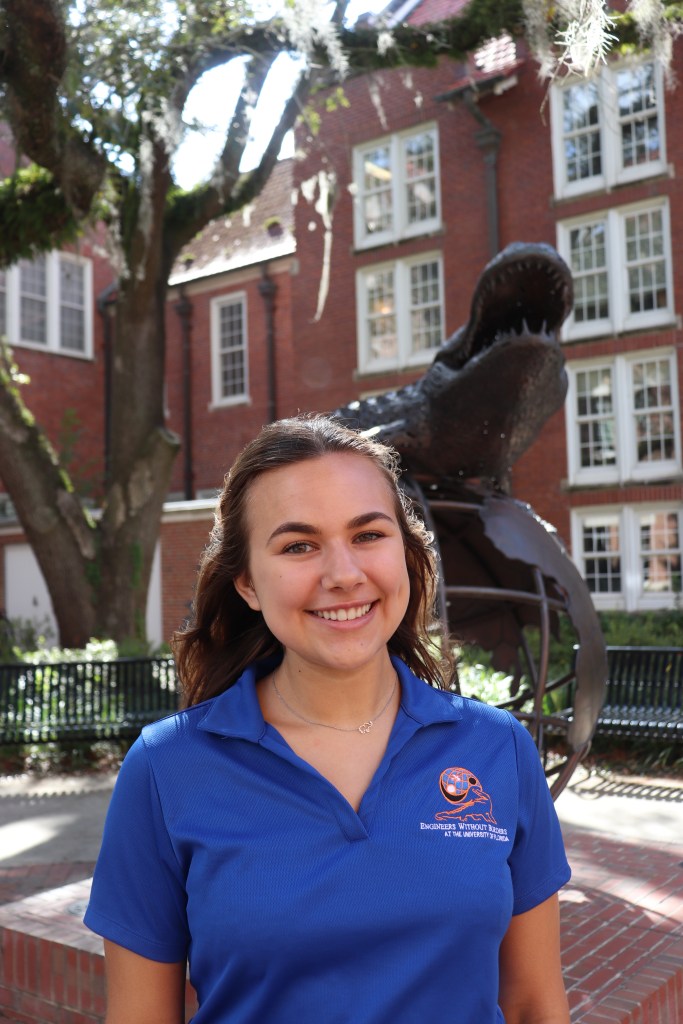
Ashley has received a 2021 University Scholars Award. Her research project is titled “Determining Preferential Conditions for Phytoplankton Photosynthetic Cycles” where she’ll be looking into the relationship between nitrogen metabolism and photochemistry in marine phytoplankton. Congrats!
Congrats to Mardeliz – off to graduate school!
4/15/2021
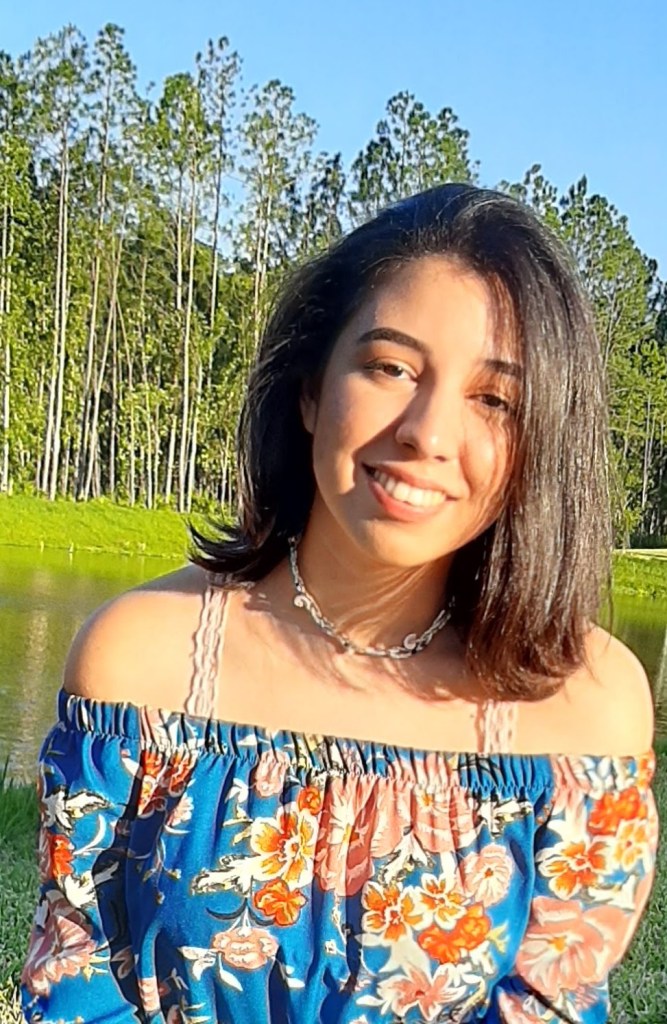
Graduating senior Mardeliz Martinez has been accepted to Florida State University’s Biology graduate program. Starting in August, she’ll be working in their Ecology and Evolution Group with Dr. Scott Burgess on coral biology. Congrats!
New paper with collaborators on phytoplankton light sensors!
2/5/2021
Coesel & collaborators through the Simons Foundation SCOPE-Aloha Program have published a new study in PNAS on light sensing in microbial eukaryotes. Using transcriptomes from microbial cultures and metatranscriptomes from the North Pacific surface ocean, Coesel et al. unveil the diversity of light-sensing elements and photoreceptors used by eukaryotic plankton in the open ocean. Ultimately, these receptors synchronize and stabilize plankton patterns of growth, division, metabolism, and mortality within the dynamic ocean environment.
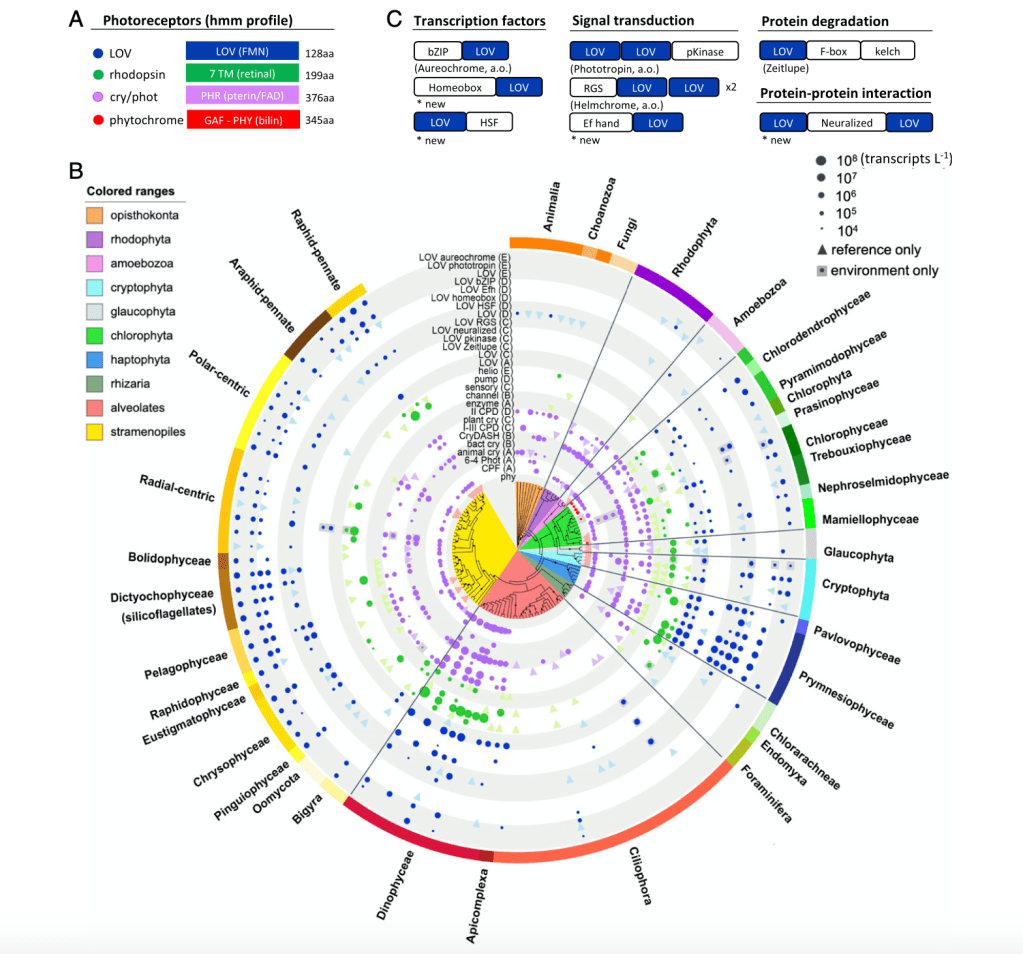
Figure from Coesel et al., “Diel transcriptional oscillations of light-sensitive regulatory elements in open-ocean eukaryotic plankton communities”
Durham awarded SCOPE Scholar Award from Simons Foundation
12/22/2020
Durham has been awarded a one-year award that will support analysis and integration of molecular and oceanographical datasets collected as part of the SCOPE-Gradients Program (SCOPE: Simons Collaboration on Ocean Processes and Ecology). Efforts are focused on understanding how chemical and physical features in the North Pacific influence microbial diversity and activity.
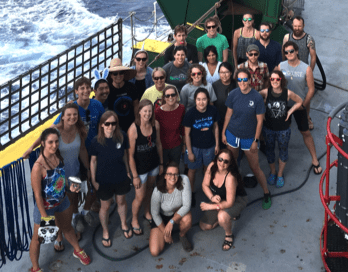
Image of the research crew on the back deck of the R/V Kilo Moana during the SCOPE-Gradients 3 cruise.
Return to work
8/29/2020
Over the past month, we have made a slow and staged return back into the lab. Much of our time has been spent working with colleagues in ICBR to get the new LC-MS system installed and up-and-running through remote instruction and training. Check out the story by UF Research.

Left to right, Dr. Sixue Chen (Professor and Director of ICBR Proteomics Facility), Dr. Jin Koh (ICBR Proteomics & Mass Spectrometry Scientific Director), and Dr. Bryndan Durham after installation of the Evosep One and timsTOF fleX system.
Lab DEI statement
7/1/2020
During the #ShutDownAcademia #ShutDownSTEM #Strike4BlackLives and #Academics4BlackLives movements, we spent time confronting and reflecting on the historical and systemic racism faced by Black people in our world and in our in educational system. To make the beliefs of our lab group explicit for current and future members, we have written a statement on our diversity, equity, and inclusion values and our commitment to continuous ally-ship.

Poster reads: “In this lab, we believe: science is real (microscope image), love is love (rainbow anatomical heart), Black lives matter (brown raised fist), feminism is for everyone (female symbol), microbes are cool (single-celled organisms), immigrants are welcome (statue of liberty).” This poster represents our pledge and commitment to continuous allyship, with original image c/o Sammy Katta (https://sammykatta.com/diversity).
New review article on ocean sulfur cycling
9/4/2019
Durham & former PhD advisor, Mary Ann Moran at the University of Georgia, have published a review article in Nature Reviews Microbiology entitled “Sulfur metabolites in the pelagic ocean.” The co-authors examine how phytoplankton and bacteria produce & transform sulfur metabolites in the ocean, highlighting the critical role that sulfur plays in mediating microbial interactions and ocean ecosystem function. Link in image.

Cartoon representation of sulfur metabolites in the ocean that depicts some of their functions and the microbes that transform them.
We are moving in!
8/16/2019
The Durham Lab move is underway! We are located on the fourth floor in the Cancer & Genetics Research Complex.
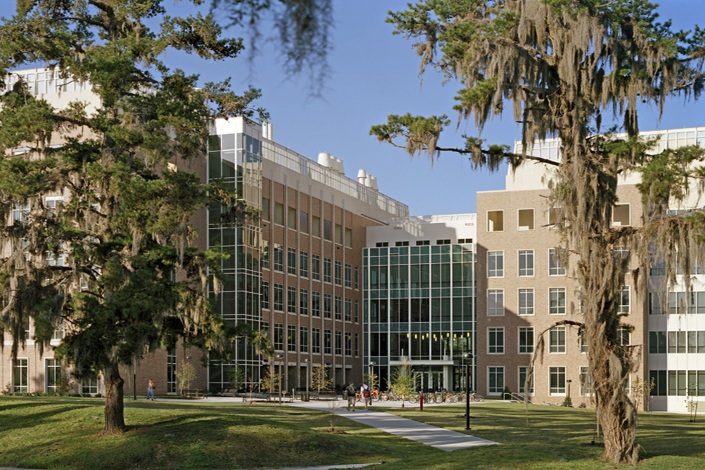
Image showing the outside of the CGRC building.
New paper on marine sulfonates
7/22/2019
Durham & colleagues from the University of Washington have published an article in Nature Microbiology, showing the importance of sulfonates in marine microbial interactions. Check out the blog post (link in image) and the manuscript.
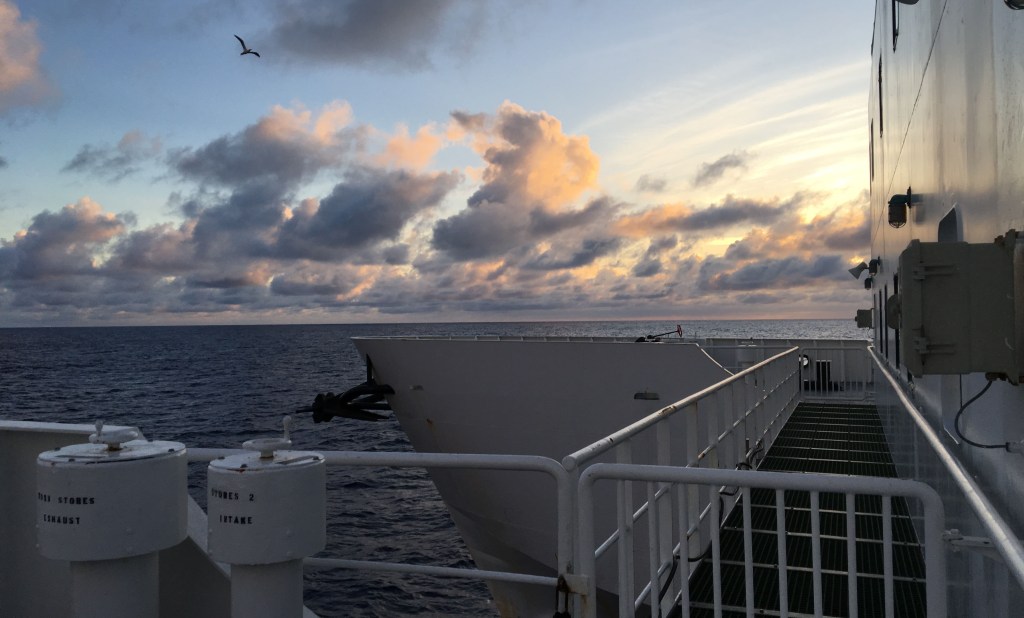
Image off the front deck of the R/V Kilo Moana.

