Durham Lab
Department of Biology
University of Florida
marine microbes & ocean ecosystems

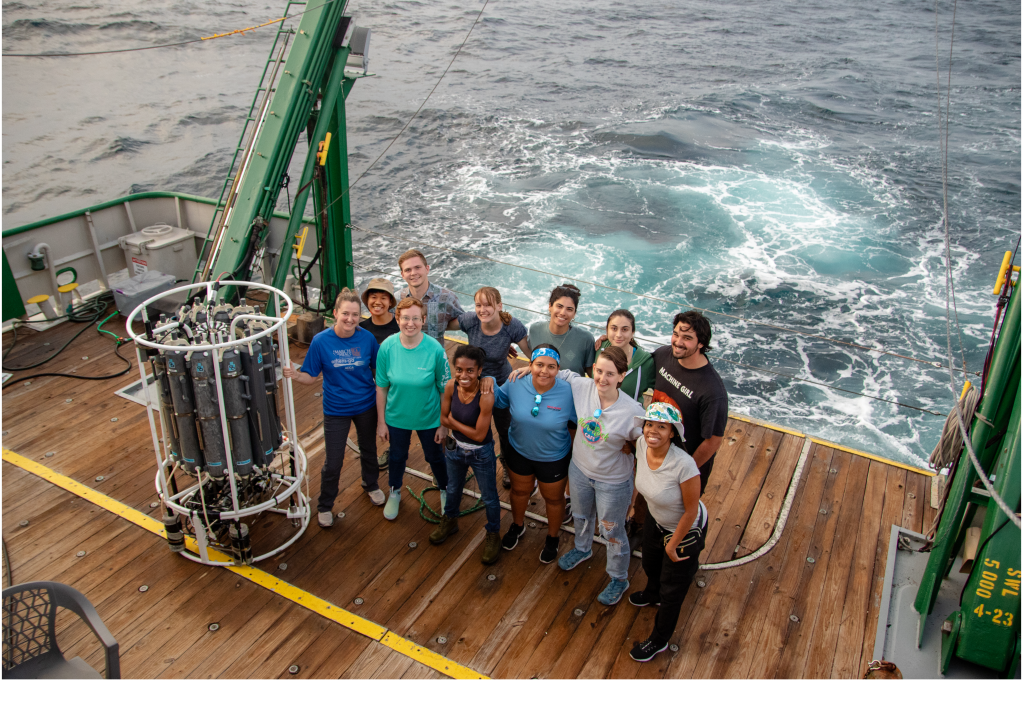

Our research focuses on how microbes interact with each other and their environment to influence carbon, sulfur, and energy cycles.
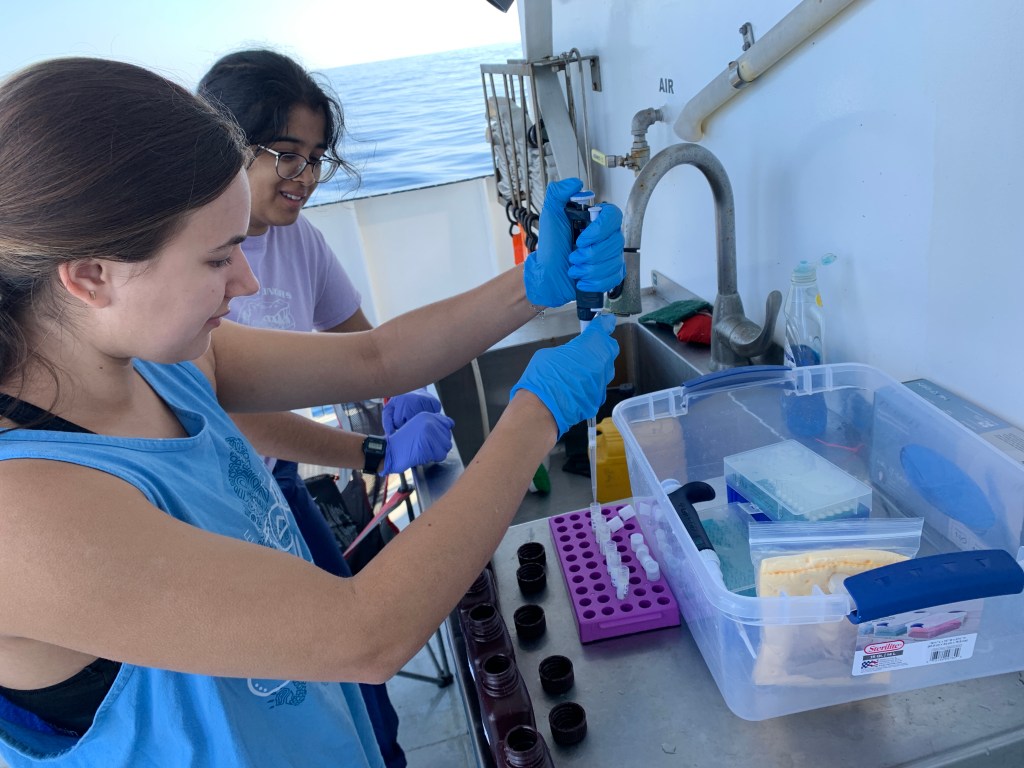
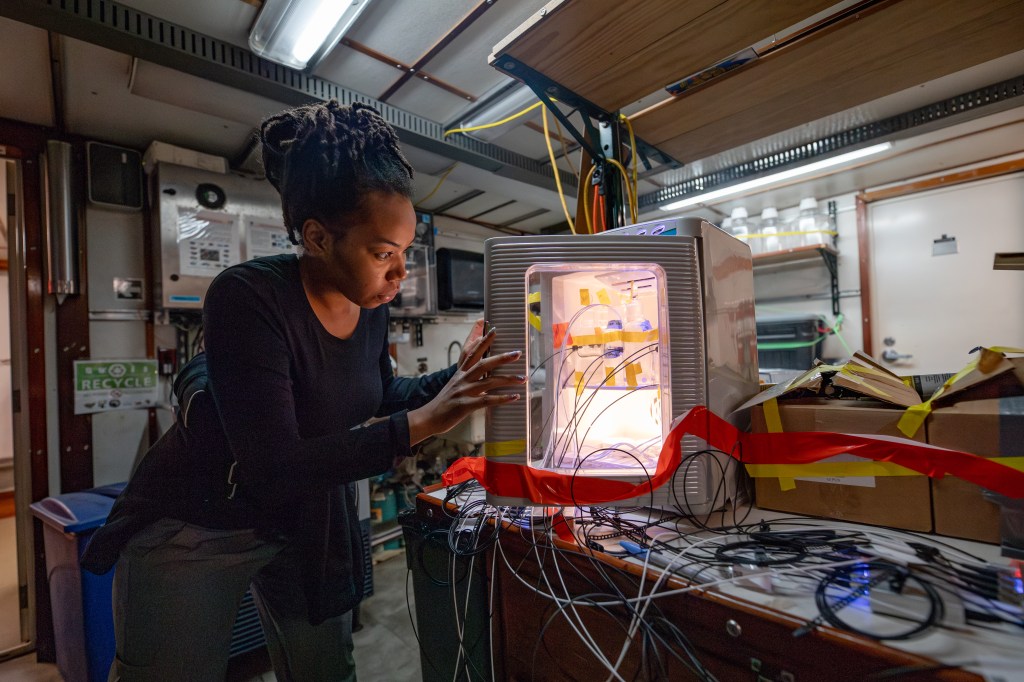
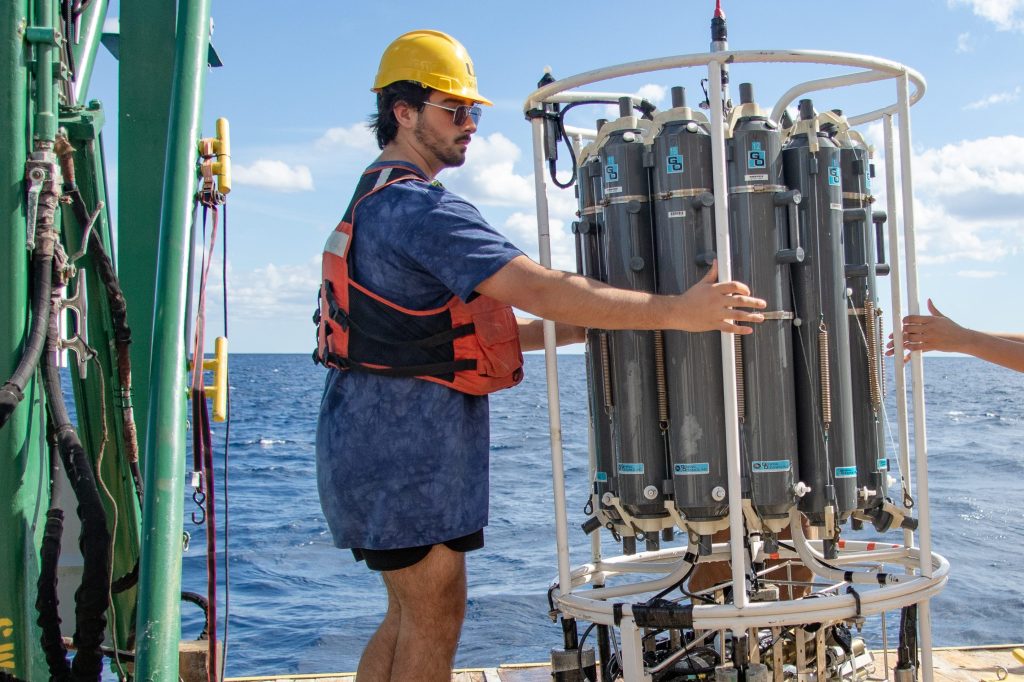
To understand the dynamics of microbial interactions and function in the ocean, we use a combination of molecular and chemical approaches, both in laboratory studies using model microbial species and field-based observations of natural populations. While our research primarily focuses on ocean microbes, we also work collaboratively to examine microbial metabolic interactions in other aquatic and terrestrial ecosystems. Some of the tools & techniques we employ to study microbes include microscopy, liquid chromatrography-mass spectrometry (LC-MS)-based metabolomics, community sequencing, molecular genetics, and isotopic rate measurements. In addition to our research in the lab and field, we have an education mission centered on incorporating experiential learning into STEM courses and making ocean science inclusive and accessible.
Current projects include:
- characterizing organic sulfur genetic pathways and their metabolic regulation in phytoplankton and bacteria
- analyzing the impact of environmental variables and intercellular interactions with bacteria on marine phytoplankton, including both model-system and Harmful Algal Bloom (HAB)-forming species
- examining the structure and function of microbial-associated metabolic networks in natural communities over space and time to determine their ecosystem impacts and bridge what is found in lab and in nature
- determining the impacts of terrestrial moss-cyanobacterial interactions on boreal community dynamics and biogeochemistry
- developing authentic research-based course experiences for undergraduates and investigating how these opportunities influence their relationship with science and the scientific community
 DURHAM LAB